
As Africa’s largest economy by population, Nigeria offers investors access to a domestic market of more than 230 million people while serving as a strategic gateway to the wider African continent.
Nigeria’s location on the Gulf of Guinea, expanding transport infrastructure, and participation in the African Continental Free Trade Area (AfCFTA) position the country as an increasingly attractive hub for regional commerce. Government reforms aimed at improving the business environment, strengthening fiscal management, and encouraging private-sector participation are helping to create new opportunities across manufacturing, logistics, technology, agriculture, healthcare, and financial services.
A young, entrepreneurial workforce continues to drive innovation and consumer demand, making Nigeria one of Africa’s most dynamic investment destinations. For international businesses seeking growth, scale, and long-term partnerships, Nigeria presents a compelling combination of market potential, natural resources, and evolving economic reforms that support sustainable development and regional competitiveness.
OIL AND GAS
Powering Growth While Driving the Energy Transition
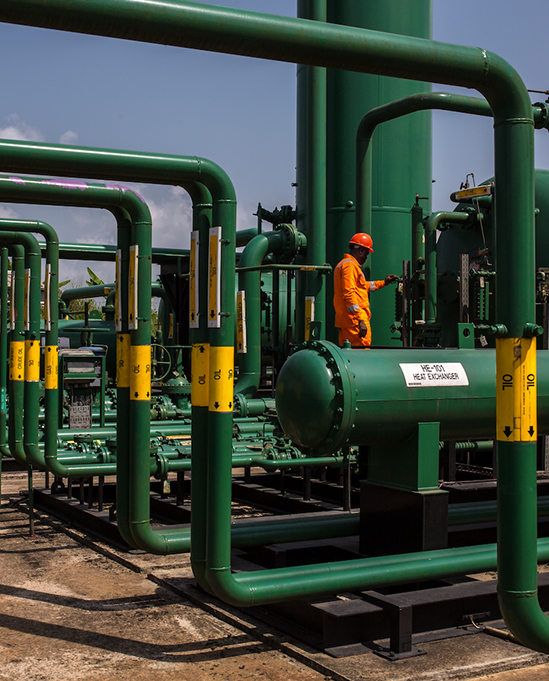
Nigeria’s oil and gas industry remains a cornerstone of the national economy and one of the largest energy sectors in Africa. With substantial reserves of crude oil and natural gas, the country continues to attract international energy companies and investors seeking opportunities across exploration, production, refining, petrochemicals, and gas infrastructure. Increasing emphasis is being placed on natural gas as a transition fuel, supporting domestic industrialisation, electricity generation, and cleaner energy solutions. Investments in processing facilities, pipelines, liquefied natural gas, and downstream industries are helping to expand value addition while strengthening energy security. At the same time, regulatory reforms are designed to improve transparency, encourage investment, and foster long-term partnerships between government and the private sector. As global energy markets evolve, Nigeria is well positioned to balance its traditional strengths in hydrocarbons with a growing commitment to sustainability, energy diversification, and responsible resource development, creating opportunities across the entire energy value chain.
FINANCIAL SERVICES
A Dynamic Hub for African Capital
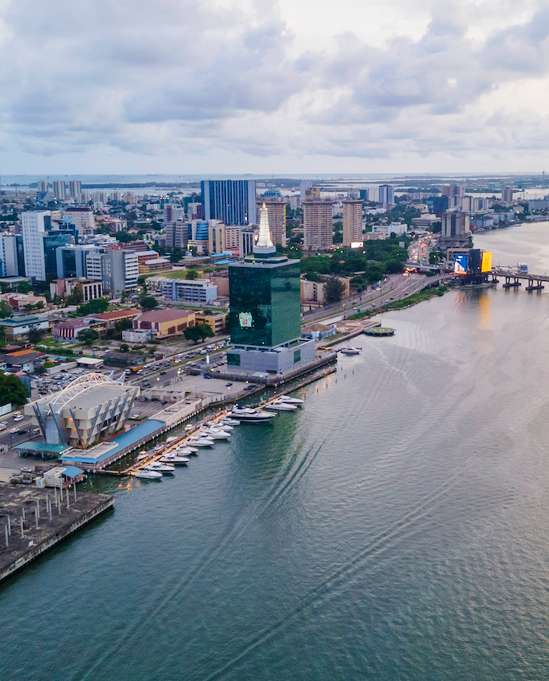
Nigeria has developed one of Africa’s most sophisticated financial services sectors, supported by a resilient banking industry, expanding capital markets, and a rapidly growing fintech ecosystem. Commercial banks, investment firms, insurance providers, and digital financial platforms are driving greater financial inclusion while supporting businesses of every size. Lagos has emerged as a leading financial centre, attracting regional headquarters, private equity funds, venture capital investors, and multinational financial institutions seeking access to West African markets. The country’s innovative fintech companies continue to pioneer solutions in digital payments, mobile banking, lending, and cross-border transactions, strengthening Nigeria’s reputation as a centre for financial innovation. Ongoing regulatory reforms, increased digital adoption, and a young, technology-savvy population continue to accelerate growth across the sector. Together, these strengths provide investors with opportunities in banking, capital markets, digital finance, asset management, insurance, and financial technology, supporting long-term economic development and regional integration.
Marine Resources and Ports
Expanding Africa’s Maritime Gateway
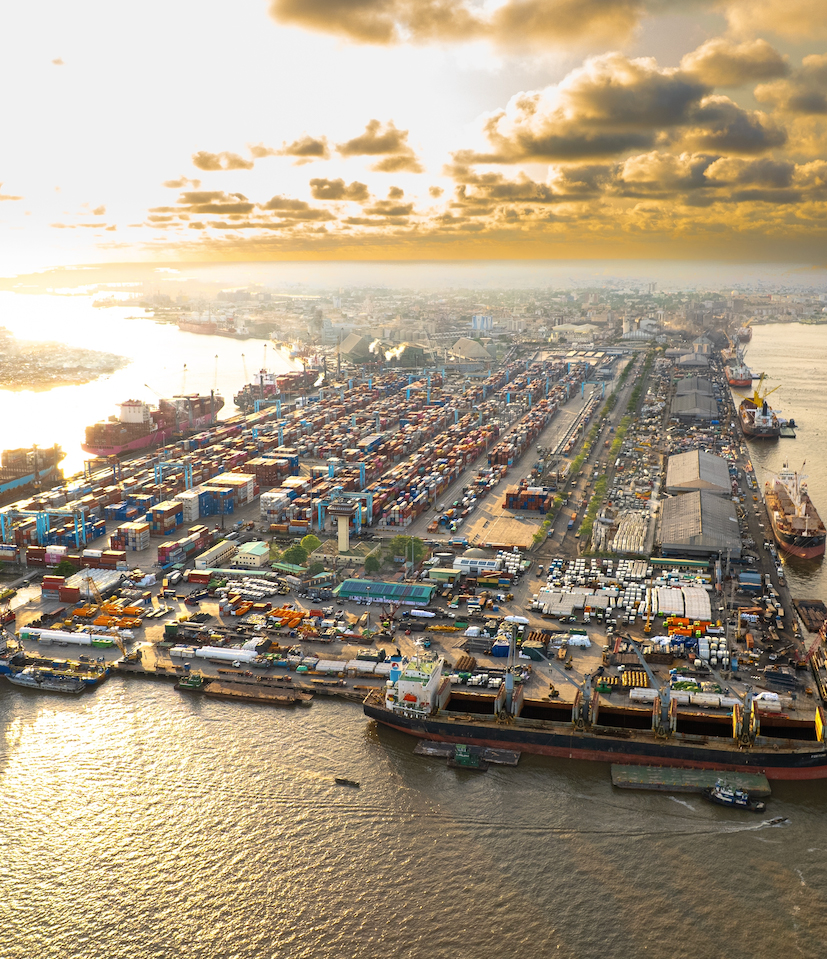
Nigeria’s extensive Atlantic coastline and strategic location on the Gulf of Guinea position it as one of West Africa’s most important maritime economies. Its ports serve as vital gateways for regional and international trade, facilitating the movement of manufactured goods, agricultural products, energy exports, and industrial equipment. Continued investment in port modernisation, logistics infrastructure, inland transport connections, and customs efficiency is strengthening Nigeria’s role as a regional trade and distribution hub. Beyond shipping, the country’s marine resources present significant opportunities in fisheries, aquaculture, offshore services, marine biotechnology, coastal tourism, and the emerging blue economy. Public and private sector collaboration is supporting sustainable management of marine ecosystems while expanding commercial opportunities across the maritime value chain. As regional trade continues to grow under the African Continental Free Trade Area, Nigeria’s ports and marine industries are expected to play an increasingly important role in connecting African markets with global commerce.

Communications and the Digital Economy
Innovation at Scale
Nigeria is home to one of Africa’s fastest-growing digital economies, driven by widespread mobile connectivity, a vibrant entrepreneurial culture, and increasing investment in digital infrastructure. Telecommunications networks continue to expand broadband coverage and improve connectivity for businesses and consumers alike, supporting innovation across every sector of the economy. The country’s technology ecosystem has gained international recognition for its leadership in fintech, e-commerce, software development, digital media, health technology, and educational technology. Start-ups are attracting global investment while established companies continue to scale innovative digital services across the continent. Government initiatives promoting digital transformation, skills development, data infrastructure, and technology entrepreneurship are helping create an enabling environment for long-term growth. As businesses increasingly adopt cloud computing, artificial intelligence, cybersecurity, and digital payment solutions, Nigeria is strengthening its position as a leading technology and innovation hub, offering investors access to one of Africa’s largest and most dynamic digital markets.